

| Standard Report | Premium Report | |
|---|---|---|
| Current State of the Industry |  |
|
| Market Size (industry trends) | |
|
| Market Forecast (5-year projection) | |
|
| Products/Services Breakdown | |
|
| Revenue per State | |
|
| Financial Metrics | |
|
| Salary & Compensation Statistics | |
|
| Public Company Information | |
|
| Key Private Companies | |
|
| Government Vendors | |
|
| Instant Download - Available immediately upon purchase | |
|
Download both PDF and Excel


|
|
|
| Download now: |


2026 U.S. Industry Statistics & Market Forecast - Grocery and Convenience Retailers
Market Size & Industry Statistics
The total U.S. industry market size for Grocery and Convenience Retailers:
Industry statistics cover all companies in the United States, both public and private, ranging in size from small businesses to market leaders.
In addition to revenue, the industry market analysis shows information on employees, companies, and average firm size.
Investors, banks, and business executives use growth rates and industry trends to understand the market outlook and opportunity.
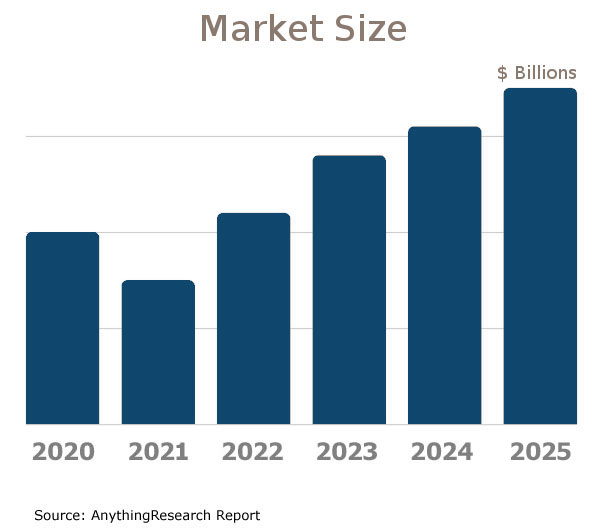
| Statistics | 2020 2021 2022 2023 2024 2025 | |
|---|---|---|
| Market Size (Total Sales/Revenue) |
Order at top of page | |
| Total Firms | ||
| Total Employees | ||
| Average Revenue Per Firm | ||
| Average Employees Per Firm | ||
| Average Revenue Per Employee | ||
Market Forecast
Market forecasts show the long term industry outlook and future growth trends. The following extended five-year forecast projects both short-term and long-term trends.
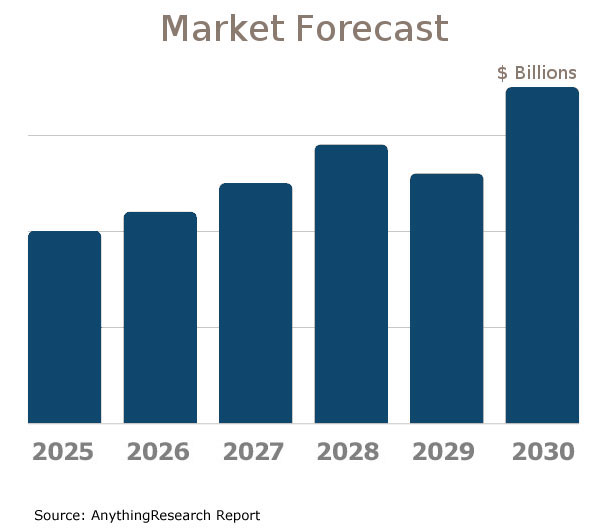
| Forecast / Industry Outlook | 2025 | 2026 | 2027 | 2028 | 2029 | 2030 |
|---|---|---|---|---|---|---|
| Market Forecast ($ millions) | ||||||
| Projected Industry Growth Rate (%) | ||||||
Industry Insights
Major trends affect the Grocery and Convenience Retailers industry include:- Increased demand for online shopping and delivery services
- Shift towards local and sustainable products
- Rise of plant-based and alternative protein options
- Growth in health and wellness products
- Enhanced use of technology for personalized shopping experiences
- Expansion of private label brands
- Greater focus on supply chain transparency and efficiency
- Adoption of omnichannel retail strategies
- Increased competition from non-traditional entrants like tech companies
- Emphasis on contactless payments and self-checkout systems
Product & Services Breakdown
Research products and services in the Grocery and Convenience Retailers industry generating sales. Note that products are broken into categories with different levels of classification.| Product Description | Number of Companies | Sales ($ millions) | Percent of Total Sales |
|---|---|---|---|
Industry Total |
|||
Groceries & Other Food Items For Human Consumption Off The Premises |
|||
Produce, Including Fresh & Prepackaged Fruits & Vegetables |
|||
Frozen Foods, Including Packaged Foods Sold In A Frozen State |
|||
Dairy Products & Related Foods, Including Milk, Cheese, Butter, Yogurt, Eggs. |
|||
Bakery Products Baked On Premises |
|||
Bakery Products Not Baked On The Premises, Excluding Frozen |
|||
Delicatessen Items, Including Deli Meats & Other Service Deli Items |
|||
Ice Cream & Other Frozen Dairy Products |
|||
Meat & Poultry, Including Prepackaged Meats |
|||
Fish & Seafood, Including Refrigerated Prepackaged Fish & Seafood |
|||
Candy, Prepackaged Cookies, & Snack Foods |
|||
Bottled, Canned, Or Packaged Soft Drinks & Other Nonalcoholic Beverages |
|||
All Other Groceries & Food Items |
|||
Alcoholic Beverages Served For Immediate Consumption |
|||
Packaged Liquor, Wine, & Beer |
|||
Distilled Spirits, Including Liquor, Brandy, & Liqueurs |
|||
Wine |
|||
Beer & Ale |
|||
Cigars, Cigarettes, Tobacco, & Smokers' Accessories, Excluding Sales From Vending Machines Operated By Others |
|||
Drugs, Health Aids, Beauty Aids, Including Cosmetics |
|||
Prescriptions |
|||
Nonprescription Medicines |
|||
Vitamins, Minerals, & Other Dietary Supplements |
|||
Cosmetics, Including Face Cream, Make-Up, Perfumes & Colognes. |
|||
Personal Hygiene Supplies |
|||
Health Aids & Home Healthcare Equipment |
|||
Household Soaps, Detergents, Cleaners, & Cleaning Supplies |
|||
Household Cleaning Supplies |
|||
Household Soaps, Detergents, & Cleaners |
|||
Paper & Related Products, Including Paper Towels, Toilet Tissue, Wraps, Bags, Foils. |
|||
Paper & Plastic Tableware |
|||
Gift Wrap, Gift Bags, & Tissue Paper |
|||
Paper Towels, Napkins, Toilet & Facial Tissue, & Food Wraps, Bags, Foils & Other Related Products |
|||
Men's Wear, Including Accessories |
|||
Women's, Juniors', & Misses' Wear, Including Accessories |
|||
Children's Wear, Including Boys', Girls', & Infants' & Toddlers' Clothing & Accessories |
|||
Footwear, Including Accessories |
|||
Curtains, Draperies, Blinds, Slipcovers, Bed & Table Coverings |
|||
Small Household Appliances & Personal Care Appliances |
|||
Audio Equipment, Musical Instruments (New & Used), Radios, Audio Electronic Components, CDs, Records, Tapes, Audio Books, Sheet |
|||
Kitchenware & Home Furnishings |
|||
Decorative Accessories & Home Furnishings |
|||
Kitchenware |
|||
Books, Including E-Books |
|||
Toys, Hobby Goods, & Games |
|||
Sporting Goods & Recreational Equipment |
|||
Hardware, Tools, & Plumbing & Electrical Supplies |
|||
Lawn, Garden, & Farm Equipment & Supplies |
|||
Automotive Fuels |
|||
Automotive Lubricants, Including Oil, Greases. |
|||
Household Fuels, Including Oil, Lp Gas, Wood, Coal |
|||
Pets, Pet Foods, & Pet Supplies |
|||
Baby Goods Not Elsewhere Classified, Including Bottles, Monitors, Carriers, Swings. |
|||
All Other Merchandise |
|||
Stationery Products |
|||
Office, School, & Packaging Supplies |
|||
Greeting Cards, Calendars, Maps, Road Atlases |
|||
Magazines & Newspapers |
|||
Ice |
|||
Nonautomotive Batteries |
|||
Souvenirs & Novelty Items |
|||
Seasonal Decorations |
|||
Meals, Unpackaged Snacks, Sandwiches, Unpackaged Ice Cream & Yogurt, Bakery Items, Other Food Items & Nonalcoholic Beverages Prepared |
|||
Soup & Salad Bars |
|||
All Other Meals & Snacks, Including Hot Coffee, Fountain Drinks & Prepared Sandwiches. |
|||
Meals, Snacks, & Beverages Prepared For Catered Events |
|||
All Other Merchandise, Excluding Lottery Ticket Sales/Commissions |
|||
All Nonmerchandise Receipts |
|||
Receipts From Photocopying, Faxing, & Check Cashing Services |
|||
All Other Nonmerchandise Receipts |
|||
U.S. Geographic Distribution: Revenue Statistics by State
Market Size by State ($ millions) indicates how the industry's competition is distributed throughout the country. State-level information can identify areas with higher and lower industry market share than average.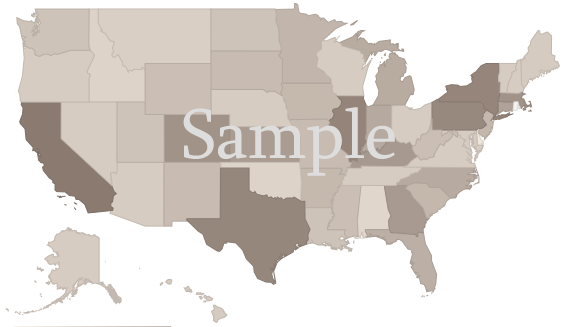
Income Statement (Average Financial Metrics)
Financial metrics provide a snapshot view of a benchmark "average" company. Key business metrics show revenue and operating costs. The data collected covers both public and private companies.| Industry Average | Percent of Sales (Industry Benchmark) |
|
|---|---|---|
| Total Revenue | Order at top of page |
|
| Operating Revenue | ||
| Cost of Goods Sold | ||
| Gross Profit | ||
Operating Expenses | ||
| Pension, profit sharing plans, stock, annuity | ||
| Repairs | ||
| Rent paid on business property | ||
| Charitable Contributions | ||
| Depletion | ||
| Domestic production activities deduction | ||
| Advertising | ||
| Compensation of officers | ||
| Salaries and wages | ||
| Employee benefit programs | ||
| Taxes and Licenses | ||
| Bad Debts | ||
| Depreciation | ||
| Amortization | ||
| Other Operating Expenses | ||
| Total Operating Expenses | ||
| Operating Income | ||
| Non-Operating Income | ||
| EBIT (Earnings Before Interest and Taxes) | ||
| Interest Expense | ||
| Earnings Before Taxes | ||
| Income Tax | ||
| Net Profit Net Income | ||
Financial Ratio Analysis
Financial ratio information can be used to benchmark how a Grocery and Convenience Retailers company compares to its peers. Accounting statistics are calculated from the industry-average for income statements and balance sheets.| Profitability & Valuation Ratios | Industry Average |
|---|---|
| Company valuation can be measured based on the firm's own performance, as well as in comparison against its industry competitors. These metrics show how the average company in the Grocery and Convenience Retailers industry is performing. | |
| Profit Margin Gross Profit Margin, Operating Profit Margin, and Net Profit Margin. Show company earnings relative to revenues. |
|
| Return on Equity (ROE) Return on Equity (ROE) is net income as a percentage of shareholders' equity. Shareholders' Equity is defined as the company's total assets minus total liabilities. ROE shows how much profits a company generates with the money shareholders invested (or with retained earnings). |
|
| Return on Assets (ROA) Return on Assets (ROA) is net income relative to total assets. The market research on Grocery and Convenience Retailers measures how efficiently the company leverages its assets to generate profit. ROA is calculated as Net Income divided by Total Assets. |
|
| Liquidity Ratios | Industry Average |
|---|---|
| Bankers and suppliers use liquidity to determine creditworthiness and identify potential threats to a company's financial viability. | |
| Current Ratio Measures a firm's ability to pay its debts over the next 12 months. |
|
| Quick Ratio (Acid Test) Calculates liquid assets relative to liabilities, excluding inventories. |
|
| Efficiency Ratios - Key Performance Indicators | Industry Average |
|---|---|
| Measure how quickly products and services sell, and effectively collections policies are implemented. | |
| Receivables Turnover Ratio If this number is low in your business when compared to the industry average in the research report, it may mean your payment terms are too lenient or that you are not doing a good enough job on collections. |
|
| Average Collection Period Based on the Receivables Turnover, this estimates the collection period in days. Calculated as 365 divided by the Receivables Turnover |
|
| Inventory Turnover A low turnover rate may point to overstocking, obsolescence, or deficiencies in the product line or marketing effort. |
|
| Fixed-Asset Turnover Generally, higher is better, since it indicates the business has less money tied up in fixed assets for each dollar of sales revenue. |
|
Compensation & Salary Surveys for Employees
Compensation statistics provides an accurate assessment of industry-specific jobs and national salary averages. This information can be used to identify which positions are most common, and high, low, and average annual wages.| Title | Percent of Workforce | Bottom Quartile | Average (Median) Salary | Upper Quartile |
|---|---|---|---|---|
| Management Occupations | 2% | Order at top of page |
||
| Chief Executives | 0% | |||
| General and Operations Managers | 2% | |||
| Food Preparation and Serving Related Occupations | 12% | |||
| Cooks and Food Preparation Workers | 6% | |||
| Food Preparation Workers | 6% | |||
| Food Preparation Workers | 6% | |||
| Sales and Related Occupations | 39% | |||
| Supervisors of Sales Workers | 5% | |||
| First-Line Supervisors of Sales Workers | 5% | |||
| First-Line Supervisors of Retail Sales Workers | 5% | |||
| Retail Sales Workers | 33% | |||
| Cashiers | 28% | |||
| Cashiers | 28% | |||
| Office and Administrative Support Occupations | 7% | |||
| Production Occupations | 7% | |||
| Food Processing Workers | 6% | |||
| Transportation and Material Moving Occupations | 28% | |||
| Material Moving Workers | 25% | |||
| Laborers and Material Movers | 25% | |||
| Stockers and Order Fillers | 21% | |||
Grocery and Convenience Retailers Competitor Landscape & Key Companies [PREMIUM]
The most influential companies in the Grocery and Convenience Retailers industry and adjacent industries either have large market share or are developing new business models and methods that could disrupt the status quo. We look at leading and emerging companies in the Grocery and Convenience Retailers industry and adjacent sectors:| Market Leaders: Direct Competitors Companies with the largest market share, focused in this industry |
Market leaders: Diversified Competitors Largest companies that have diversified operations in this and other industries |
| Innovators: Direct Competitors Innovative, Emerging, and Disruptive Companies that may influence the future direction of the industry. |
Innovators: Diversified Competitors Innovators and Disruptors in adjacent industries that may also affect the Grocery and Convenience Retailers industry. |

Latest Industry News
- Fiesta Mart Adds 'Clinic in a Box' to 2 Stores - The Fiesta Mart locations in Fort Worth and Missouri City will launch the OnMed CareStation this month. The stations will be staffed by licensed clinicians in a private, secure areas of the store and are equipped with advanced diagnostic tools such as thermal imaging, real-time scanning and remote vital signs monitoring. (07/07/2025)
- PHL food retailers seen growing 7% — USDA - THE Philippine food retailing industry is expected to grow 7% this year as modern retail outlets continue to expand, according to the US Department of Agriculture (USDA). Retailers are expanding into rural areas and introducing new food and beverages options, (07/07/2025)
- Retail Is Boarding the Metro – Should Your Brand Get On Too? - As metro stations evolve into retail hubs, brands like Starbucks, Shoppers Stop, McDonald's, and Zudio are testing transit-led formats. (07/07/2025)
- South Auckland grocery store loses right to sell alcohol - The off-licence was denied after an appeal led by an Auckland councillor with the Alcohol Regulatory and Licensing Authority. (07/06/2025)
- Living on japanese convenience stores in tokyo for 24 hours! - Join me for a 24-hour challenge in Tokyo, Japan, exploring convenience stores like 7-Eleven, Lawson, and FamilyMart. Discover unique offerings such as Ramen cooking stations, fried chicken, pizza, burgers, (07/04/2025)
- Comfort, convenience drive ready-to-cook food market - This prodded Agrawalla to join the growing number of big and small companies making ready-to-cook (RTC) food products. Last month, he launched gravies and marinades in partnership with Reliance Retail. (07/04/2025)
- How convenience stores can fix margin leakage in foodservice - Consultant Liza Salaria of W. Capra discusses gross margin, known loss, unknown loss, open rings, supplies and more (07/03/2025)
- New York Is Hungry for a Big Grocery Experiment - If Mamdani is able to pull this off—a huge if, given the economic considerations, as critics are quick to point out—it will be the first time in American history that a city of New York’s size has commanded its own grocery stores. (07/03/2025)
- Popular convenience store chain fixes a fast-food problem - Love's is an iconic travel center with convenience and gas stations, and for many American families, it's the go-to travel stop. Love's and Arby's joined forces in 1999 to provide more dining options for travelers who stop at its convenience stores while on the road. (07/02/2025)
- Southern Co-op to sell off 22 convenience stores - Grocery retailer Southern Co-op is to sell 22 of its directly operated convenience stores. Twenty are being sold to "two third-party retailers" and two (06/27/2025)

