

| Standard Report | Premium Report | |
|---|---|---|
| Current State of the Industry |  |
|
| Market Size (industry trends) | |
|
| Market Forecast (5-year projection) | |
|
| Products/Services Breakdown | |
|
| Revenue per State | |
|
| Financial Metrics | |
|
| Salary & Compensation Statistics | |
|
| Public Company Information | |
|
| Key Private Companies | |
|
| Government Vendors | |
|
| Instant Download - Available immediately upon purchase | |
|
Download both PDF and Excel


|
|
|
| Download now: |


2026 U.S. Industry Statistics & Market Forecast - Grocery Wholesalers
Market Size & Industry Statistics
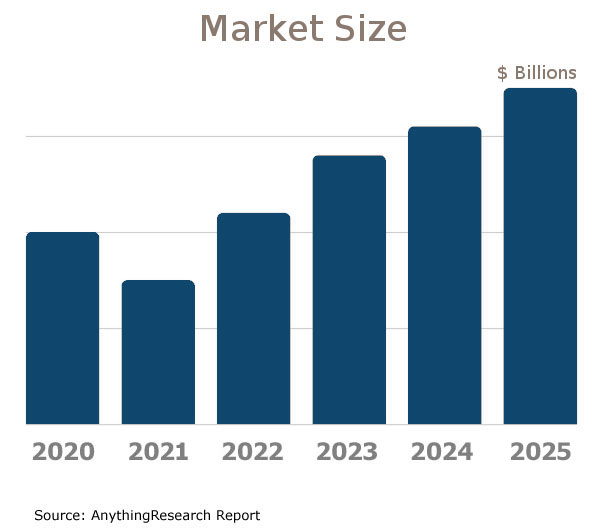
The total U.S. industry market size for Grocery Wholesalers:
Industry statistics cover all companies in the United States, both public and private, ranging in size from small businesses to market leaders.
In addition to revenue, the industry market analysis shows information on employees, companies, and average firm size.
Investors, banks, and business executives use growth rates and industry trends to understand the market outlook and opportunity.
| Statistics | 2020 2021 2022 2023 2024 2025 | |
|---|---|---|
| Market Size (Total Sales/Revenue) |
Order at top of page | |
| Total Firms | ||
| Total Employees | ||
| Average Revenue Per Firm | ||
| Average Employees Per Firm | ||
| Average Revenue Per Employee | ||
Market Forecast
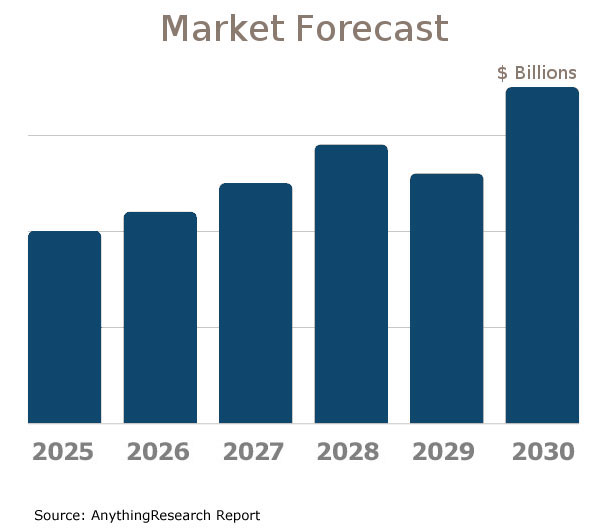
Market forecasts show the long term industry outlook and future growth trends. The following extended five-year forecast projects both short-term and long-term trends.
| Forecast / Industry Outlook | 2025 | 2026 | 2027 | 2028 | 2029 | 2030 |
|---|---|---|---|---|---|---|
| Market Forecast ($ millions) | ||||||
| Projected Industry Growth Rate (%) | ||||||
Industry Insights
Major trends affect the Grocery Wholesalers industry include:- Increasing demand for organic and locally sourced products
- Growth in e-commerce and online ordering platforms
- Expansion of private label offerings
- Enhanced focus on sustainability and eco-friendly practices
- Consumer preference shifts towards health and wellness products
- Supply chain optimization and technology integration
- Heightened competition from discount retailers and direct-to-consumer models
- Regulatory changes impacting product labeling and safety
- Adoption of advanced analytics and data-driven decision-making
- Impact of global trade policies and tariffs
Product & Services Breakdown
Research products and services in the Grocery Wholesalers industry generating sales. Note that products are broken into categories with different levels of classification.| Product Description | Number of Companies | Sales ($ millions) | Percent of Total Sales |
|---|---|---|---|
Industry Total |
|||
Miscellaneous Home Furnishings, Including Household Containers, Flatware, Pans, Baskets, And Kitchen Utensils |
|||
Restaurant And Hotel Equipment And Supplies |
|||
Electric And Gas Household Appliances, Excluding Plumbing |
|||
Other Small Electric Household Appliances |
|||
Commercial Laundry And Dry-Cleaning Equipment And Supplies |
|||
Paper And Plastic Products |
|||
Pharmaceuticals, Pharmaceutical Supplies, Cosmetics, And Toiletries, Including Body And Hand Soaps |
|||
Packaged Frozen Food |
|||
Frozen Meals |
|||
Frozen Fish And Seafood Products |
|||
Frozen Vegetables |
|||
Frozen Fruits And Fruit Juices |
|||
Frozen Meat Products |
|||
Frozen Baked Goods |
|||
Other Frozen Foods, Excluding Frozen Dairy Products |
|||
Frozen Poultry Products |
|||
Dairy Products, Excluding Dried, Canned, Condensed, And Evaporated Dairy Products |
|||
Butter |
|||
Cheese |
|||
Milk And Cream, Excluding Raw Milk And Cream |
|||
Ice Cream And Other Frozen Dairy Products |
|||
Raw Milk And Cream |
|||
Other Dairy Products |
|||
Yogurt |
|||
Eggs, Poultry, And Poultry Products, Excluding Canned And Frozen Poultry Products |
|||
Poultry Not Slaughtered On Location, Excluding Frozen And Canned Poultry Products |
|||
Confectioneries, Including Candy, Nuts, Chips, And Popcorn |
|||
Candy, Including Chocolate |
|||
Chewing Gum |
|||
Nuts, Except Raw |
|||
Chips And Popcorn |
|||
Other Confectioneries |
|||
Fish And Seafood, Excluding Canned And Frozen Fish And Seafood |
|||
Fresh Meat And Meat Products |
|||
Beef Not Slaughtered On Location |
|||
Veal Not Slaughtered On Location |
|||
Lamb And Mutton Not Slaughtered On Location |
|||
Pork Not Slaughtered On Location |
|||
Sausage And Prepared Meats Made On Location |
|||
Sausage And Prepared Meats Not Made On Location |
|||
Meat From Animals Slaughtered On Location |
|||
Other Meat And Meat Products, Including Bison, Venison, Deli (Sliced) Meats, And Edible Organs |
|||
Fresh Fruits And Vegetables |
|||
Coffee, Tea, And Powdered Drink Mixes |
|||
Coffee, Excluding Bottled And Canned |
|||
Tea, Excluding Bottled And Canned |
|||
Powdered Drink Mixes |
|||
Bread, Baked Goods, And Baking Ingredients |
|||
Bread And Rolls |
|||
Cookies And Cakes |
|||
Cooking Oils And Margarine |
|||
Flour |
|||
Refined Sugar |
|||
Spices |
|||
Baking Mixes And Dough |
|||
Other Baked Goods, Including Crackers |
|||
Nonperishable (Canned And Packaged) Food |
|||
Nonperishable (Canned And Packaged) Fruits And Vegetables |
|||
Baby Food |
|||
Nonperishable (Canned And Packaged) Meat |
|||
Nonperishable (Canned And Packaged) Fish And Seafood |
|||
Nonperishable (Canned And Packaged) Milk |
|||
Pickles And Olives |
|||
Preserves, Jellies, Jams, Peanut Butter, And Honey |
|||
Sauces, Salad Dressing, Dips, And Vinegar |
|||
Condiments |
|||
Soup |
|||
Other Nonperishable (Canned And Packaged) Food, Including Nonperishable Poultry Products |
|||
Soft Drinks, Bottled Water, Juices, And Nonalcoholic Beverages |
|||
Packaged Soft Drinks |
|||
Pre-Mix And Post-Mix Bulk Soft Drinks |
|||
Bottled Water |
|||
Nonalcoholic Beer And Mixers |
|||
Sport And Energy Drinks, Including Bottled And Canned Coffee And Tea |
|||
Nonfrozen Fruit And Vegetable Juices |
|||
Food And Beverage Basic Materials, Including Flavoring Extracts, Fruit Peel, Sausage Casings, Hop Extract, Malt, And Yeast |
|||
Grocery Specialties |
|||
Breakfast Cereals And Bars |
|||
Pasta |
|||
Rice |
|||
Packaged Meals, Excluding Frozen |
|||
Other Grocery Specialties |
|||
Grains, Beans, And Seeds |
|||
Pets And Pet Supplies |
|||
Pet Food |
|||
Chemicals And Allied Products, Excluding Agricultural Chemicals, Plastics, Industrial And Natural Gases, Liquefied Petroleum (Lp |
|||
Other Chemicals And Allied Products |
|||
Home Cleaning Chemical Solutions, Polishes, And Waxes |
|||
Beer, Ale, And Brewers' Products |
|||
Wine And Distilled Alcoholic Beverages |
|||
Farm Supplies |
|||
Tobacco And Tobacco Products |
|||
Miscellaneous Nondurable Goods, Including Wigs, Yarns, And Leather Products |
|||
Service Receipts And Labor Charges, Including Installed Parts |
|||
Miscellaneous Commodities |
|||
Rental And Operating Lease Receipts |
|||
U.S. Geographic Distribution: Revenue Statistics by State
Market Size by State ($ millions) indicates how the industry's competition is distributed throughout the country. State-level information can identify areas with higher and lower industry market share than average.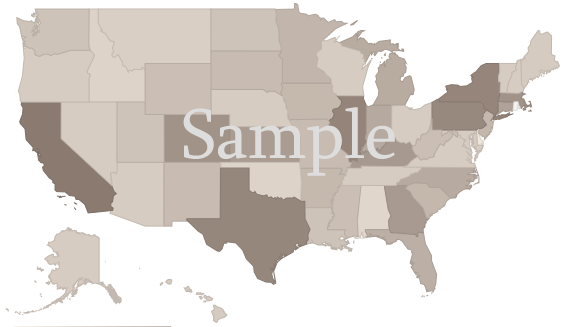
Income Statement (Average Financial Metrics)
Financial metrics provide a snapshot view of a benchmark "average" company. Key business metrics show revenue and operating costs. The data collected covers both public and private companies.| Industry Average | Percent of Sales (Industry Benchmark) |
|
|---|---|---|
| Total Revenue | Order at top of page |
|
| Operating Revenue | ||
| Cost of Goods Sold | ||
| Gross Profit | ||
Operating Expenses | ||
| Pension, profit sharing plans, stock, annuity | ||
| Repairs | ||
| Rent paid on business property | ||
| Charitable Contributions | ||
| Depletion | ||
| Domestic production activities deduction | ||
| Advertising | ||
| Compensation of officers | ||
| Salaries and wages | ||
| Employee benefit programs | ||
| Taxes and Licenses | ||
| Bad Debts | ||
| Depreciation | ||
| Amortization | ||
| Other Operating Expenses | ||
| Total Operating Expenses | ||
| Operating Income | ||
| Non-Operating Income | ||
| EBIT (Earnings Before Interest and Taxes) | ||
| Interest Expense | ||
| Earnings Before Taxes | ||
| Income Tax | ||
| Net Profit Net Income | ||
Financial Ratio Analysis
Financial ratio information can be used to benchmark how a Grocery Wholesalers company compares to its peers. Accounting statistics are calculated from the industry-average for income statements and balance sheets.| Profitability & Valuation Ratios | Industry Average |
|---|---|
| Company valuation can be measured based on the firm's own performance, as well as in comparison against its industry competitors. These metrics show how the average company in the Grocery Wholesalers industry is performing. | |
| Profit Margin Gross Profit Margin, Operating Profit Margin, and Net Profit Margin. Show company earnings relative to revenues. |
|
| Return on Equity (ROE) Return on Equity (ROE) is net income as a percentage of shareholders' equity. Shareholders' Equity is defined as the company's total assets minus total liabilities. ROE shows how much profits a company generates with the money shareholders invested (or with retained earnings). |
|
| Return on Assets (ROA) Return on Assets (ROA) is net income relative to total assets. The market research on Grocery Wholesalers measures how efficiently the company leverages its assets to generate profit. ROA is calculated as Net Income divided by Total Assets. |
|
| Liquidity Ratios | Industry Average |
|---|---|
| Bankers and suppliers use liquidity to determine creditworthiness and identify potential threats to a company's financial viability. | |
| Current Ratio Measures a firm's ability to pay its debts over the next 12 months. |
|
| Quick Ratio (Acid Test) Calculates liquid assets relative to liabilities, excluding inventories. |
|
| Efficiency Ratios - Key Performance Indicators | Industry Average |
|---|---|
| Measure how quickly products and services sell, and effectively collections policies are implemented. | |
| Receivables Turnover Ratio If this number is low in your business when compared to the industry average in the research report, it may mean your payment terms are too lenient or that you are not doing a good enough job on collections. |
|
| Average Collection Period Based on the Receivables Turnover, this estimates the collection period in days. Calculated as 365 divided by the Receivables Turnover |
|
| Inventory Turnover A low turnover rate may point to overstocking, obsolescence, or deficiencies in the product line or marketing effort. |
|
| Fixed-Asset Turnover Generally, higher is better, since it indicates the business has less money tied up in fixed assets for each dollar of sales revenue. |
|
Compensation & Salary Surveys for Employees
Compensation statistics provides an accurate assessment of industry-specific jobs and national salary averages. This information can be used to identify which positions are most common, and high, low, and average annual wages.| Title | Percent of Workforce | Bottom Quartile | Average (Median) Salary | Upper Quartile |
|---|---|---|---|---|
| Management Occupations | 9% | Order at top of page |
||
| Chief Executives | 0% | |||
| General and Operations Managers | 4% | |||
| Business and Financial Operations Occupations | 6% | |||
| Sales and Related Occupations | 18% | |||
| Sales Representatives, Wholesale and Manufacturing | 14% | |||
| Sales Representatives, Wholesale and Manufacturing | 14% | |||
| Sales Representatives, Wholesale and Manufacturing, Except Technical and Scientific Products | 12% | |||
| Office and Administrative Support Occupations | 14% | |||
| Production Occupations | 5% | |||
| Transportation and Material Moving Occupations | 36% | |||
| Motor Vehicle Operators | 15% | |||
| Driver/Sales Workers and Truck Drivers | 15% | |||
| Heavy and Tractor-Trailer Truck Drivers | 8% | |||
| Material Moving Workers | 19% | |||
| Laborers and Material Movers | 17% | |||
| Laborers and Freight, Stock, and Material Movers, Hand | 8% | |||
| Stockers and Order Fillers | 7% | |||
Grocery Wholesalers Competitor Landscape & Key Companies [PREMIUM]
The most influential companies in the Grocery Wholesalers industry and adjacent industries either have large market share or are developing new business models and methods that could disrupt the status quo. We look at leading and emerging companies in the Grocery Wholesalers industry and adjacent sectors:| Market Leaders: Direct Competitors Companies with the largest market share, focused in this industry |
Market leaders: Diversified Competitors Largest companies that have diversified operations in this and other industries |
| Innovators: Direct Competitors Innovative, Emerging, and Disruptive Companies that may influence the future direction of the industry. |
Innovators: Diversified Competitors Innovators and Disruptors in adjacent industries that may also affect the Grocery Wholesalers industry. |

Latest Industry News
- Yiwu Digital Trade: Twin Engines Fuel New Momentum In Global Business - On June 26, the Yiwu Global Digital Trade Center (market section) launched its leasing campaign for the baby & toddler products and skincare & medical beauty sectors, attracting over 3,200 registrants on the first day. (07/04/2025)
- Time to Sell the Rally and Buy These 5% and Higher Blue-Chip Dividend Giants - It sells its tobacco products primarily to wholesalers, including distributors and large retail organizations, such as chain stores. Altria used to own over 10% of Anheuser-Busch InBev N.V. (NYSE ... (06/30/2025)
- Shopify: Continued Growth Potential, Waiting For A Discount - Shopify posts 27% YoY growth, expands into AI and social commerce, and maintains resilience despite risks. Read more here. (06/30/2025)
- Can Tho, So Good: Vietnam’s Hidden Gem Beckons with Food, Charm, and Calm - Discover Can Tho, Vietnam’s underrated Mekong Delta city, with its tranquil river life, street food gems, and the luxurious Azerai Can Tho resort – a perfect mix of culture, comfort, and quiet. (06/26/2025)
- Totally Broke? These 50 Money Tips Might Just Save You - There are still smart ways to save money—some of which might surprise you. Check out the following list of money-saving tips, and you’ll be shocked at how much you can keep in your pocket over the next year just by making a few small changes. (06/25/2025)
- C&S Wholesale Grocers to Buy SpartanNash for Nearly $1.8B - C&S Wholesale Grocers adds nearly 60 combined distribution centers, a network of 200 retail grocery stores and expanded access to independent grocers through the acquisition. (06/24/2025)
- C&S Wholesale To Acquire SpartanNash In Bid To Take On Grocery Giants - SpartanNash and C&S Wholesale Group are combining forces in a move designed to give them the scale to compete with major U.S. national and international grocery groups. (06/23/2025)
- Sysco Corporation Partners with MICHELIN Guide as Official Distributor for 2025 California Ceremony - Nasdaq - 2025 MICHELIN Guide Florida Ceremony. About Sysco Sysco is the global leader in selling, marketing and distributing food and related products to customers who prepare meals away from home. (06/19/2025)
- Concerning reason $5 Aussie pantry staple is about to jump in price - Step into any supermarket and you can buy a grinder full of black pepper for less than $5. But the household staple is set to become more scarce over the next 18 months, and while Aussies won’t have any problem finding it on shelves, (06/18/2025)
- NAFDAC warns against incitement by social media influencer VDM - The National Agency for Food and Drug Administration and Control (NAFDAC) has strongly condemned what it described as inciting and misleading statements made by a social media influencer targeting the federal hovernment’s regulatory enforcement at the Onitsha Bridge Head Market. (05/26/2025)

